by Paul White
I have recently read several threads on social media regarding the fear and 'perceived' threat posed by wolves returning to western Europe. These fears are profoundly felt amongst the farming community within countries undergoing a process of 'rewilding', enabling large predators to return to lands where they were eradicated hundreds of years ago. Farmers are struggling with the question of how to counter this threat and to prevent livestock losses. They know that they have to do something but what should their response be?
The first step in providing an answer to these fears is with good and accurate information. Most farmers are aware that they are entitled to compensation caused by livestock depredations by wolves, but they also know that this is a lengthy process requiring DNA proof. Neither do they want to enter into such a process, because you can't put a value on herds that have taken generations to put together and a lot of hard work to maintain.
Farmers usually prefer the most pragmatic approach to removing threats to their livestock, so it's unsurprising that culls are called for when a wolf preys on sheep. However, this apposes the vision of the European Union which wishes to see a return of large predators across the continent. So picking up your gun and resolving this situation on your own is not a viable option.

Neither is inaction and complaining an option. This is the new reality and the only course of action is to adapt and learn to coexist with wolves. This is completely possible as we used to do this all the time in past centuries. It's just that these 'old ways' and methods were forgotten when large predators were eradicated. So we have to regain this vital knowledge and learn to live with predators once again.
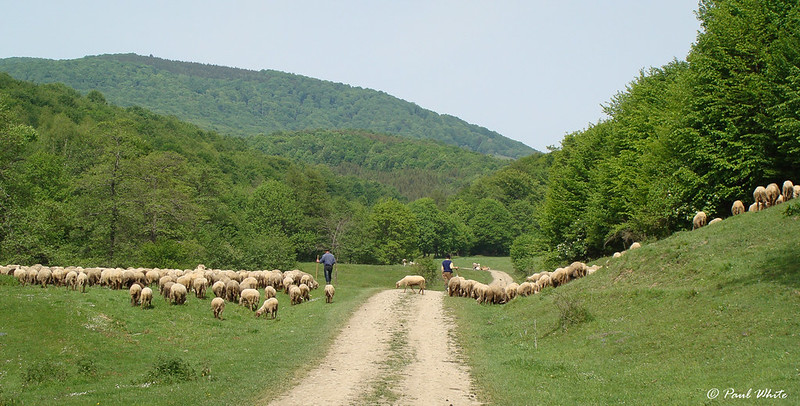
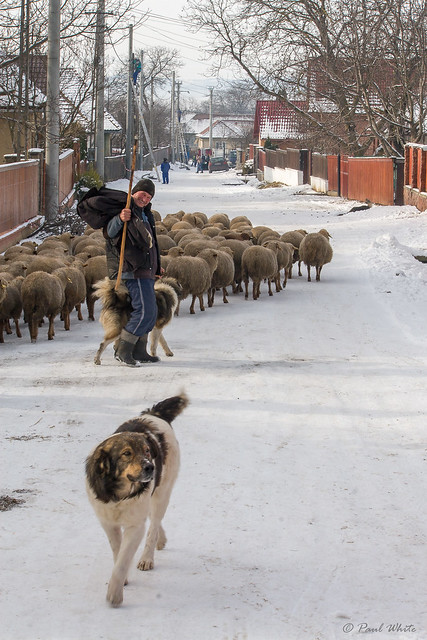
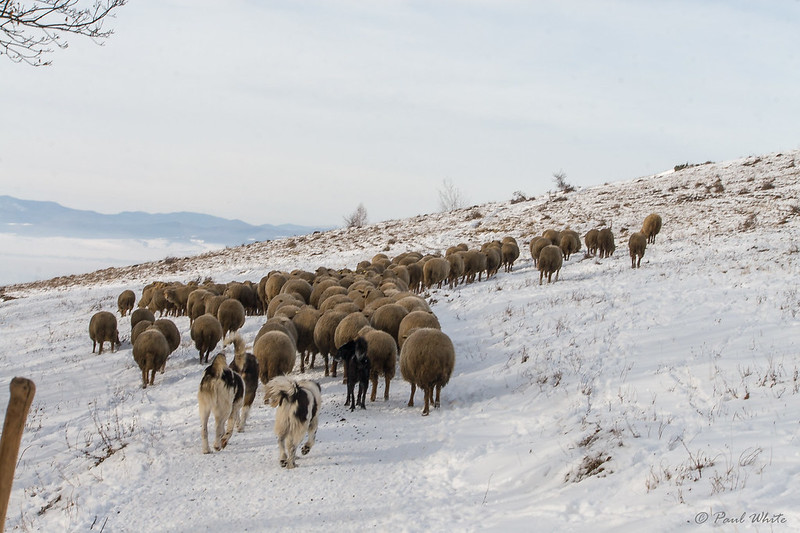
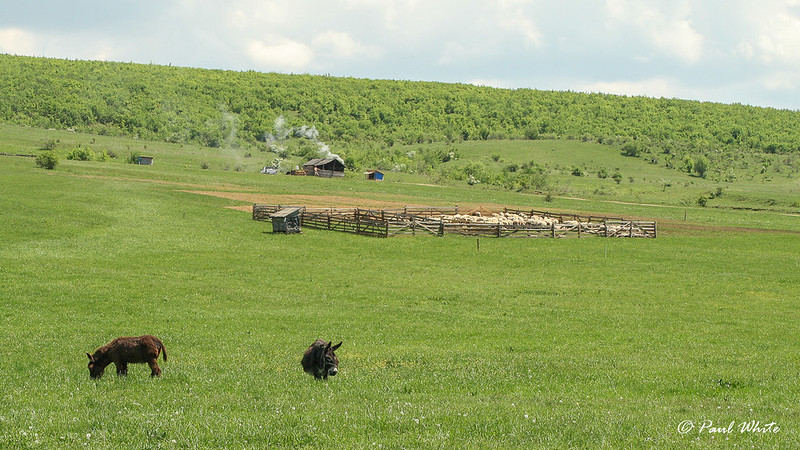
So where is all this information, knowledge and resources? The best information comes first hand from shepherds and herdsmen dealing with predators everyday and already situated within Europe. Especially countries that never eradicated their large predators and so the 'knowledge' was never lost, such as Romania. These shepherds live and work in the field with their flocks 24/7 from April to November, dealing with a high predator burden (wolves, bears, lynx) without the use of 'bear spray' or guns. The only obstructions to 'unlocking' this information has been the language barrier and the quality time required in the field to learn their system of predator deterrence.

Livestock protection from predators comes as a package of measures rather than one single deterrent fitting all situations. How you choose to protect your livestock will depend on your circumstances. e.g: what species and numbers of predators (predator burden), open pasture or fenced grazing, location of livestock - remote or next to your farm.
Available deterrents include:-
1. Livestock Guardian Dogs.
2. Turbo fladry (sometimes electrified).
3. Electric fencing.
4. Human presence i.e. shepherds.
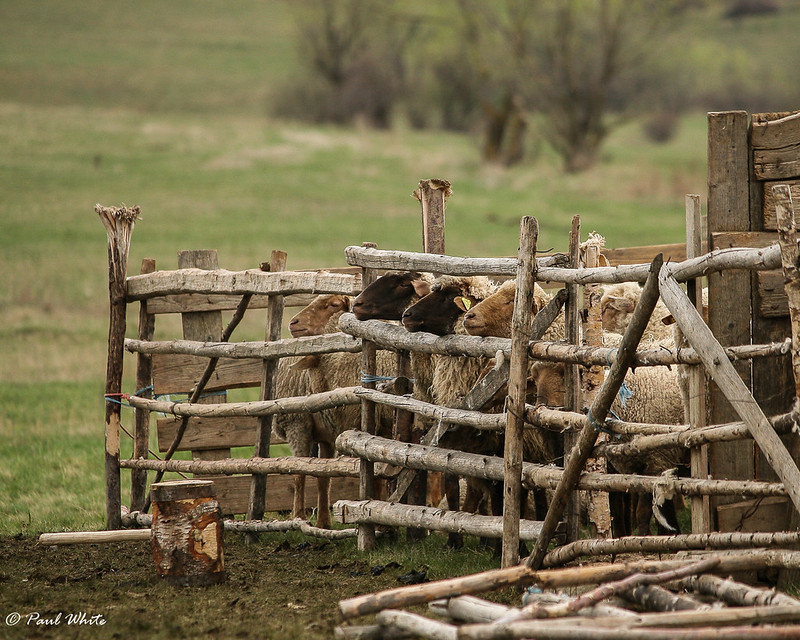
5. Overnight penning - sheepfold.
6. Use of donkeys as an early warning alarm.
Additional benefits can be gained by using these deterrents as they mitigate against existing threats to livestock, such as unleashed pet dogs and foxes.
The USA is still going through a similar process, but opinions are probably even more polarised on how to deal with predators. There are some very knowledgeable people in America and Brenda M. Negri is one of them. Her recently published book, 'The Way of the Pack' (see link below) is a thoroughly enjoyable read which I can recommend to anyone considering Livestock Guardian Dog (LGD) use as part of your predator deterrent.
Recommended reading:-
'The Way of the Pack' by Brenda M. Negri
I have recently read several threads on social media regarding the fear and 'perceived' threat posed by wolves returning to western Europe. These fears are profoundly felt amongst the farming community within countries undergoing a process of 'rewilding', enabling large predators to return to lands where they were eradicated hundreds of years ago. Farmers are struggling with the question of how to counter this threat and to prevent livestock losses. They know that they have to do something but what should their response be?
The first step in providing an answer to these fears is with good and accurate information. Most farmers are aware that they are entitled to compensation caused by livestock depredations by wolves, but they also know that this is a lengthy process requiring DNA proof. Neither do they want to enter into such a process, because you can't put a value on herds that have taken generations to put together and a lot of hard work to maintain.
Farmers usually prefer the most pragmatic approach to removing threats to their livestock, so it's unsurprising that culls are called for when a wolf preys on sheep. However, this apposes the vision of the European Union which wishes to see a return of large predators across the continent. So picking up your gun and resolving this situation on your own is not a viable option.
Neither is inaction and complaining an option. This is the new reality and the only course of action is to adapt and learn to coexist with wolves. This is completely possible as we used to do this all the time in past centuries. It's just that these 'old ways' and methods were forgotten when large predators were eradicated. So we have to regain this vital knowledge and learn to live with predators once again.
So where is all this information, knowledge and resources? The best information comes first hand from shepherds and herdsmen dealing with predators everyday and already situated within Europe. Especially countries that never eradicated their large predators and so the 'knowledge' was never lost, such as Romania. These shepherds live and work in the field with their flocks 24/7 from April to November, dealing with a high predator burden (wolves, bears, lynx) without the use of 'bear spray' or guns. The only obstructions to 'unlocking' this information has been the language barrier and the quality time required in the field to learn their system of predator deterrence.
Livestock protection from predators comes as a package of measures rather than one single deterrent fitting all situations. How you choose to protect your livestock will depend on your circumstances. e.g: what species and numbers of predators (predator burden), open pasture or fenced grazing, location of livestock - remote or next to your farm.
Available deterrents include:-
1. Livestock Guardian Dogs.
2. Turbo fladry (sometimes electrified).
3. Electric fencing.
4. Human presence i.e. shepherds.
5. Overnight penning - sheepfold.
6. Use of donkeys as an early warning alarm.
Additional benefits can be gained by using these deterrents as they mitigate against existing threats to livestock, such as unleashed pet dogs and foxes.
The USA is still going through a similar process, but opinions are probably even more polarised on how to deal with predators. There are some very knowledgeable people in America and Brenda M. Negri is one of them. Her recently published book, 'The Way of the Pack' (see link below) is a thoroughly enjoyable read which I can recommend to anyone considering Livestock Guardian Dog (LGD) use as part of your predator deterrent.
Recommended reading:-
'The Way of the Pack' by Brenda M. Negri